
UMPSA International Cultural Festival highlights unity and cultural diversity of campus community
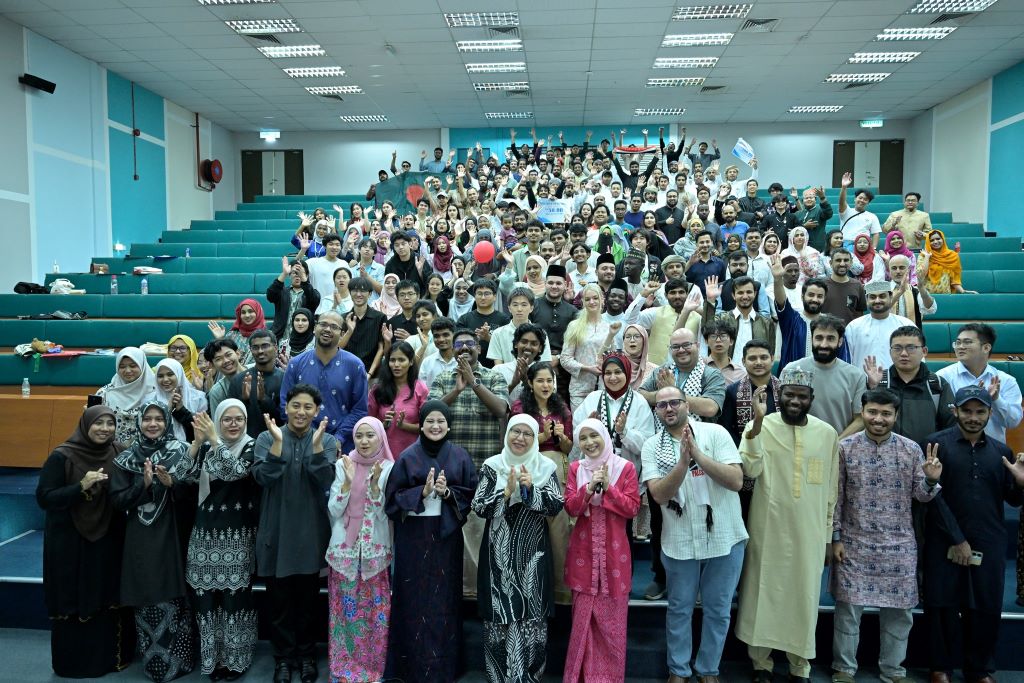
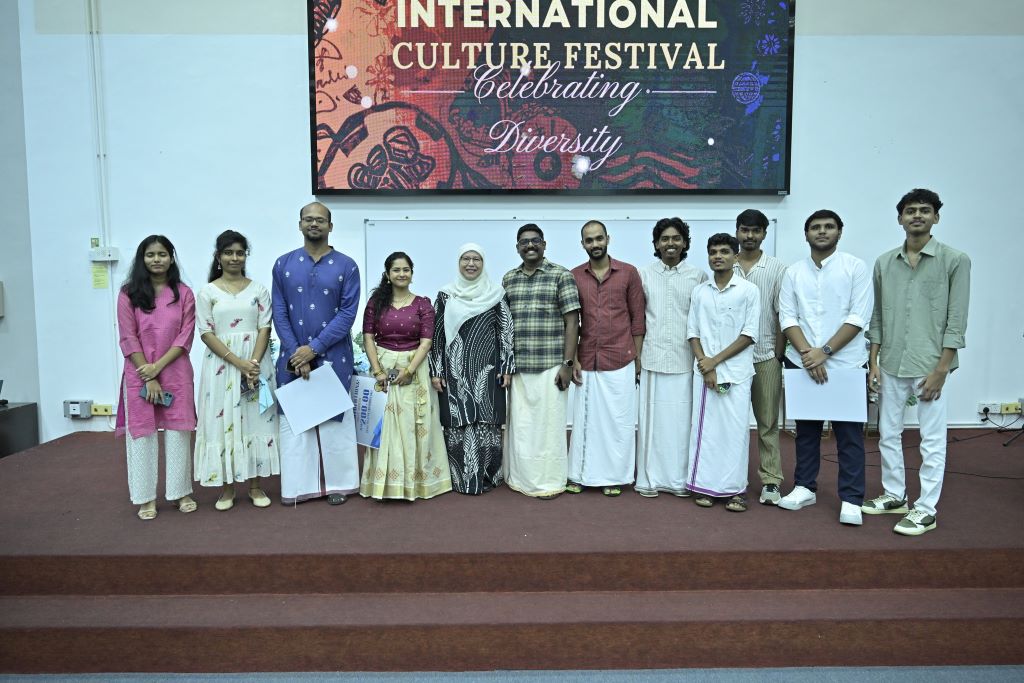
GAMBANG, 21 December 2025 – Universiti Malaysia Pahang Al-Sultan Abdullah (UMPSA) organised the UMPSA International Cultural Festival with vibrant colours and festivity at the UMPSA Gambang Campus, bringing together the campus community and international students on a single platform that celebrates cultural diversity, traditions, and heritage from various countries.
The festival involved participation from nine countries, namely Malaysia, Yemen, Palestine, Bangladesh, Pakistan, Sudan, Libya, Indonesia, and India, thereby showcasing international cultural diversity and heritage on an inclusive platform.
The programme was further enlivened with Traditional Games Competitions, including singing competitions, which received encouraging responses from the campus community.
Visitors also had the opportunity to enjoy various international traditional dishes, among them Indian desserts such as Kesari, Gulab Jamun, and Payasam; Yemeni dishes Mandi and Kunafa; Palestinian food Maqloba and Musakhan; Biryani and Kheer from Pakistan; traditional Sudanese dishes including sweet dumplings and local desserts; Khichuri with egg curry from Bangladesh, as well as traditional desserts from Libya.
The festival was further graced by the presence of the Vice-Chancellor of UMPSA, Professor Ts. Dr Yatimah Alias, who expressed her delight in being together with the university community at the festival, which was described as a symbol of UMPSA’s commitment towards cultivating a global, inclusive, and student-centred campus.
“I would like to record my highest appreciation to the Centre for Academic Collaboration and Mobility, Academic and International Affairs Department (JHEAA) UMPSA for organising a meaningful programme that is aligned with the strategic direction of the university.
“This festival is not merely a cultural celebration, but also reflects one of the important pillars in UMPSA’s internationalisation strategy, enhancement of global visibility, and empowerment of student experience.
“A world-class technical university is not only measured through physical facilities and ranking positions, but also depends on the values, people, and diversity that are developed within the campus ecosystem,” she said.
She said that cultural diversity plays a major role in shaping a holistic learning environment.
“Interaction among students from different cultural backgrounds not only enriches academic discussions, but also builds intercultural communication skills, empathy, openness, and global awareness, which are crucial in producing future graduates who are ready to lead industries and societies at the international level.
“This diversity strengthens the UMPSA teaching and learning ecosystem by stimulating critical thinking and innovation through cross-cultural exchange of ideas.
“It aligns with the university’s aspiration to produce graduates who are not only technically competent, but also ethical, socially conscious, and globally competitive,” she explained.
She added that UMPSA’s strength lies in the diversity that is celebrated together in the spirit of unity as one UMPSA community that is confident, inclusive, and globally connected.
She also conveyed appreciation to international students by emphasising that UMPSA is proud to be their second home.
Also present was the Assistant Deputy Vice-Chancellor (Internationalisation and Academic Collaboration), Academic and International Affairs Department (JHEAA), Professor Datin Ts. Dr Mimi Sakinah Abdul Munaim.
Meanwhile, according to an international student from Yemen, Raed Abdullah Abobakr Busaeed, who is also a second-year Master of Computer Science student at the Faculty of Computing (FK) UMPSA, the festival reflects UMPSA’s commitment to celebrating cultural diversity and fostering understanding and harmony among students from various backgrounds.
“I have participated in this festival five times, and it always provides meaningful and enjoyable experiences.
“Among the most interesting aspects are the diversity of booths and cultural performances, which provide opportunities for students to showcase their respective cultures and traditions in a vibrant and interactive atmosphere.
“This programme should be continued in the future and enhanced with improvements such as providing more suitable booth spaces so that students can decorate their booths with more prominent cultural elements,” he said.
He also suggested that the involvement of local students be increased through wider promotion to provide exposure to international cultural diversity while strengthening relationships and interaction between local students and international students at UMPSA.
The contributions of international students clearly enrich campus life and strengthen UMPSA’s aspiration as a global campus grounded in harmony and mutual respect.
The festival concluded with a banquet session and casual interaction, which further strengthened relationships among the university community, thereby leaving meaningful memories and reinforcing cross-cultural friendships within the UMPSA community.
By: Nur Hartini Mohd Hatta, Centre for Corporate Communications
Translation by: Ts. Dr. Rozaimi Abu Samah, UMPSA Press
- 49 views
 Reports by: