
Powering the future of sports tech: UMPSA explores strategic collaboration with University of Tsukuba
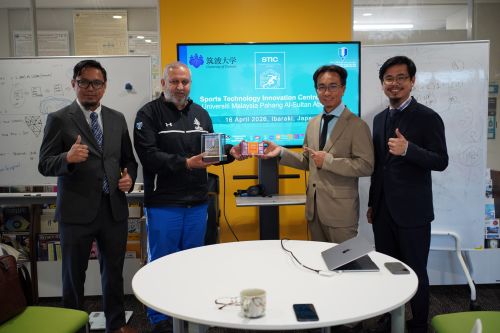
TSUKUBA, JAPAN, 16 April 2026 — Universiti Malaysia Pahang Al-Sultan Abdullah (UMPSA), through its Department of Research and Innovation (JPI), paid a strategic working visit to the University of Tsukuba as part of its continued efforts to expand international collaboration in sports technology.
This initiative was driven by UMPSA’s Sports Technology Innovation Centre (STIC), a Centre of Excellence (CoE) under JPI dedicated to advancing research and innovation in sports-related technologies.
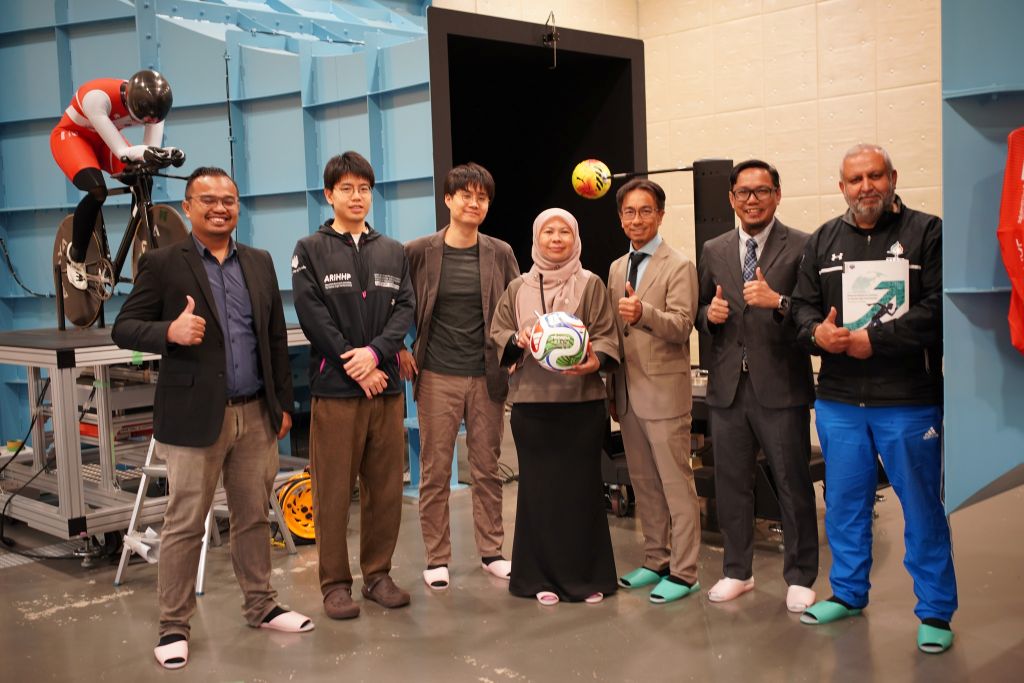
The UMPSA delegation was led by Professor Ts. Dr. Aida Mustapha, Deputy Vice-Chancellor (Research and Innovation), with coordination by Associate Professor Ts. Dr. Mohd Hasnun Arif Hassan, Director of STIC.
The visit was also strongly supported by Professor Dr. Randeep Rakwal from the University of Tsukuba, whose facilitative approach greatly contributed to the smooth coordination and meaningful engagement throughout the programme.
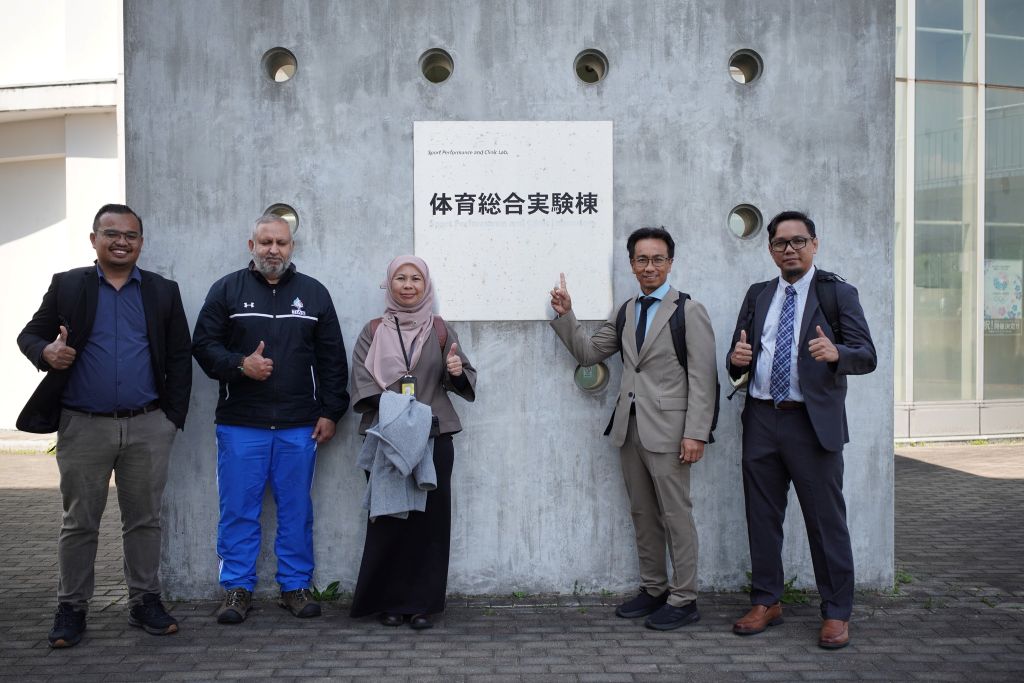
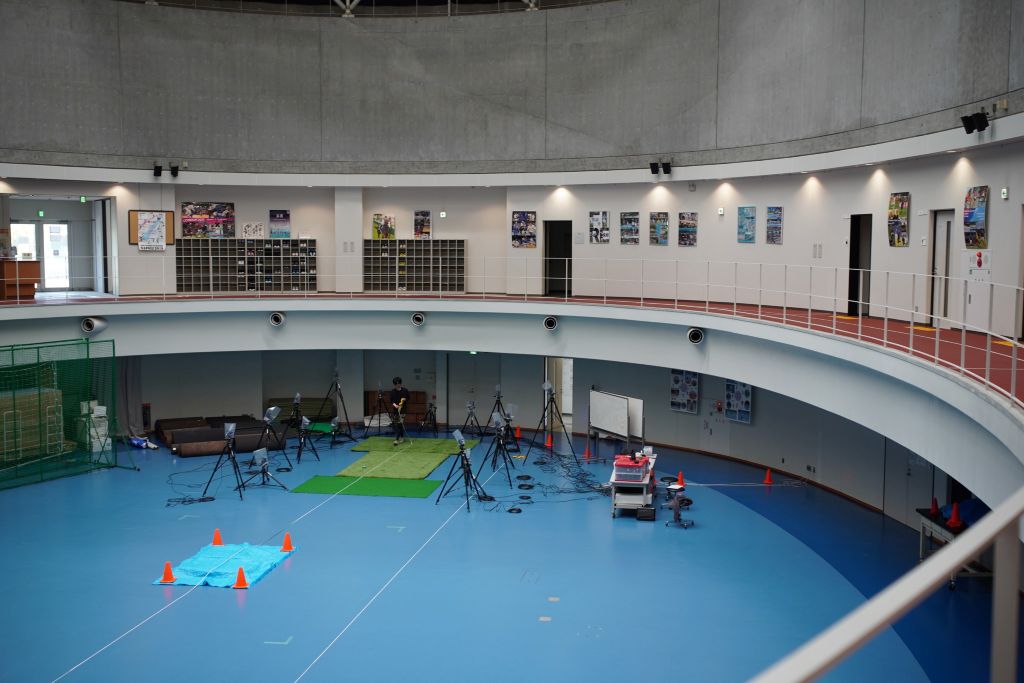
During the visit, the delegation was given the opportunity to tour several of the university’s advanced sports technology facilities, including the Sport Fluid Engineering Laboratory and the Sport Performance and Clinic Laboratory.
A strategic discussion was also held with the Dean of the Faculty of Health and Sport Sciences, Professor Dr. Norihisa Fujii, to explore potential directions for collaboration.
The University of Tsukuba is widely recognised as a global hub for sports science and technological innovation.
Located in Japan’s renowned Tsukuba Science City, the university integrates expertise in science, engineering, and elite athletic performance within a highly collaborative research ecosystem.
Among its notable strengths is the integration of robotics and exoskeleton technologies through the field of ‘Cybernics’, including the development of systems such as the Hybrid Assistive Limb (HAL), which supports both rehabilitation and human performance enhancement.
The university also houses world-class research infrastructure, including wind tunnel facilities for aerodynamic studies in sports such as cycling and sprinting, as well as advanced 3D biomechanical analysis systems that enable precise, data-driven evaluation of athletic movement.
In addition, the university champions the concept of ‘Sportology’, a holistic academic discipline that combines medicine, engineering, and psychology to better understand and enhance sports performance.
Leveraging artificial intelligence and big data analytics, researchers are able to develop highly personalised training programmes tailored to individual athletes.
The university’s strong linkage with the Olympic and Paralympic ecosystem further reinforces its position as a living laboratory for high-performance sports technology, including innovations in assistive devices such as lightweight sports wheelchairs and advanced prosthetics.
Close collaborations with industry leaders such as ASICS and Mizuno ensure that research outcomes are translated into real-world applications and commercial products used globally.
Following the visit, several potential areas for collaboration have been identified, particularly in joint research, technology development, and research mobility.
Further engagements and follow-up actions will be undertaken upon the delegation’s return to Malaysia to formalise and operationalise these initiatives.
Moving forward, UMPSA remains committed to strengthening its global presence through meaningful international partnerships, particularly via JPI and its Centres of Excellence such as STIC.
This engagement marks another significant step in positioning UMPSA within the global sports technology landscape.
By: Mohd Nizam Abdul Rashid, Department of Research and Innovation
- 29 views
 Reports by: