
UMPSA strengthens graduate readiness through GVI, structured internship and professional certification
PEKAN, 9 June 2026 – Universiti Malaysia Pahang Al-Sultan Abdullah (UMPSA) continues to strengthen its commitment to producing high-quality, competent graduates who are prepared to face the challenges of the working world through various strategic initiatives formulated under the UMPSA Strategic Plan 2026–2030 (UMPSA30).
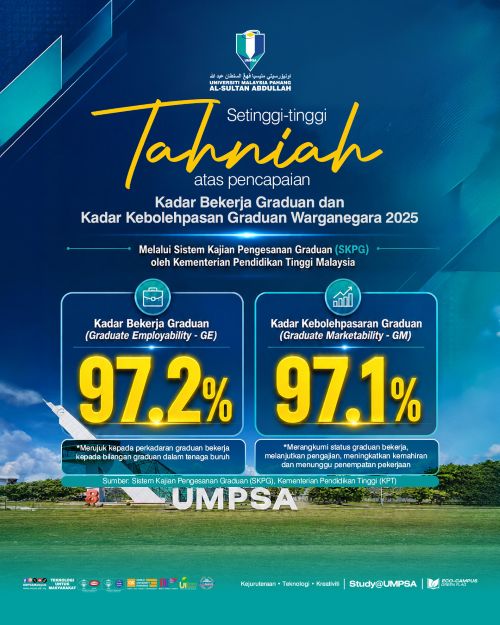
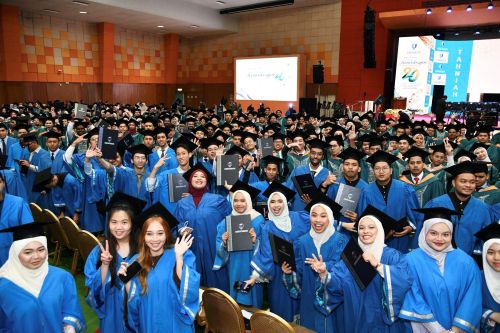
This is reflected in UMPSA achieving a graduate employability (GE) rate of 97.2 per cent in 2025.
The achievement demonstrates UMPSA’s continued excellence in producing holistic, competent, and highly competitive graduates who are sought after by industry at the national and international levels.
In terms of job matching with fields of study, the percentage of graduates employed in related fields also increased from 65.12 per cent in 2024 to 70.16 per cent in 2025.
According to the UMPSA Vice-Chancellor, Professor Ts. Dr. Yatimah Alias, in the constantly evolving higher education landscape, some academic programmes face challenges in terms of competitiveness due to technological changes, industry needs, employment trends, and patterns of student demand.
“This situation is commonly faced by higher education institutions (HEIs) worldwide and requires continuous improvement measures.
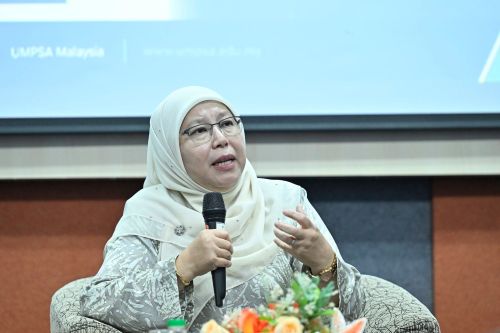
“At UMPSA, the performance and relevance of each academic programme are regularly monitored using the iREPS system through analyses of student applications, graduate employability rates, employer feedback, industry needs, and assessments by accreditation bodies to ensure that the programmes offered continue to meet current needs,” she said.
To address programmes showing declining competitiveness, UMPSA also implements various strategic interventions, including curriculum review and enhancement, integration of new technologies, strengthening of industry-based learning components, and enhancement of digital and professional skills.
In certain circumstances, programmes with overlapping fields or low demand will undergo rationalisation, consolidation, or rebranding to ensure greater relevance to market needs and national aspirations.
At the same time, UMPSA has also introduced new programmes in high-impact fields such as artificial intelligence, industrial automation, smart technology, data analytics, and computerised construction technology.
A data-driven approach and active industry engagement enable UMPSA to make more informed decisions in managing its academic portfolio.
Through continuous monitoring and systematic improvement, the university can ensure that every programme offered remains competitive and attractive to students while producing graduates who meet future industry and national development needs.
Meanwhile, UMPSA also offers various value-added programmes to equip students with the skills and competencies required in an increasingly challenging working world.
In addition to their main academic programmes, students have opportunities to participate in professional certification programmes, digital skills training, bootcamps, leadership development, entrepreneurship, volunteerism, international mobility, and career development programmes.
UMPSA also strengthens the TVET agenda through various industry-based training programmes and real-world projects with industry partners such as Bosch Rexroth, Huawei Technologies, Infineon Technologies, and Siemens, providing exposure to the latest technologies such as artificial intelligence (AI), automation, the internet of things (IoT), and data analytics.
Professor Ts. Dr. Yatimah said the university does not focus solely on academic achievement but also ensures that every graduate possesses added value, future skills, and relevant industry experience before completing their studies.
“One of the key initiatives currently being strengthened is the development of the Graduate Value Index (GVI), a comprehensive index developed to measure graduate readiness holistically, encompassing technical competencies, soft skills, leadership, entrepreneurship, internationalisation, digital skills, and employability.
“Through GVI, UMPSA can assess student development more comprehensively and ensure that graduates not only obtain a degree but also possess the professional value and competencies required by industry.
“Furthermore, it can comprehensively integrate the development of technical skills, soft skills, and industry experience,” she said.
In addition, UMPSA is strengthening the implementation of the Structured Internship Programme (SIP) to ensure a more structured, high-quality, and impactful industrial training experience.
The programme is implemented through close collaboration with industry partners across various sectors, including manufacturing, automation, digital technology, energy, construction, and professional services.
Through SIP, students are exposed to real industry assignments, problem-solving projects, professional work culture, and guidance from industry mentors.
This approach enables students to understand actual workplace requirements and adapt to the working environment before completing their studies.
To enhance graduates’ added value, UMPSA also offers various professional certification programmes recognised by global industries.
These include APTIS, administered by the British Council to improve English language proficiency; Lean Six Sigma Green Belt for process improvement and productivity competencies; Certified Cybersecurity Foundation to enhance cybersecurity awareness and skills; AWS Certified Cloud Practitioner; and AWS Certified AI Practitioner, which provide exposure to cloud computing and AI technologies.
These certification programmes provide students with a competitive advantage when entering the job market while enhancing graduate employability.
At the same time, UMPSA continues to strengthen industry-based learning through work-based learning (WBL), industry-linked final-year projects, professional mentoring programmes, international mobility, and various leadership and entrepreneurship development activities.
This holistic approach enables UMPSA graduates to acquire a combination of academic knowledge, technical skills, digital skills, and soft skills required to meet the demands of the Industrial Revolution 4.0 and the technology-based economy.
Through the implementation of these initiatives, UMPSA is confident that it can continue to produce competitive, adaptive, and TVET-oriented graduates capable of becoming leaders and highly skilled professionals who contribute to national development and the global community.
Meanwhile, as an MTUN university, the establishment of the GITC TVET Placement Centre (GTPC) in conjunction with the National TVET Day 2026 celebration, recently launched by the Deputy Prime Minister and Chairman of the National TVET Council, YAB Dato’ Seri Dr. Ahmad Zahid Hamidi, is timely in ensuring that the large supply of talent is accurately matched with industry demand.
The university’s programmes are now also being directed towards high-growth, high-value industries such as semiconductors, aerospace, AI, green technology, renewable energy, and electric vehicles (EV).
Meanwhile, the UMPSA Career Centre also plays a role in assessing actual market needs, identifying sectors with high demand for talent, and evaluating the skills most valued in the current market.
Through curricula developed in collaboration with industry, students are exposed to the actual needs of employment sectors and the latest technological developments to ensure that the knowledge and skills acquired remain relevant to market demands.
To strengthen graduate readiness, UMPSA implements various initiatives such as industrial training, WBL, industry-based final-year projects, professional certification programmes, digital skills development, and experiential and community problem-based learning activities.
The active involvement of industry experts in teaching, supervision of final-year research projects, and industry mentoring or coaching programmes, particularly in WBL programmes, also helps students understand workplace culture, professional practices, and the challenges they will face upon entering the working world.
In addition, students are given opportunities to participate in leadership, entrepreneurship, international mobility, and career development programmes that can enhance their confidence and competitiveness.
UMPSA has successfully produced graduates who not only possess strong academic qualifications but are also able to adapt to technological changes, meet industry needs, and contribute to the country’s economic and social development.
This continued commitment is aligned with UMPSA’s aspiration to become a leading technological university that produces holistic graduates and realises the university’s vision of becoming the Asia-Pacific Advanced TVET Hub by 2030.
By: Mimi Rabita Abd Wahit, Centre for Corporate Communications
Translation by: Ts. Dr. Rozaimi Abu Samah, UMPSA Press
- 280 views
 Reports by: