
UMPSA introduces smart IoT aeration system, improves productivity and sustainability of community aquaculture
PEKAN, 7 April 2026 – Universiti Malaysia Pahang Al-Sultan Abdullah (UMPSA) continues to strengthen its role as a technology- and community-based university through the development of the Diffused Aeration System for Aquaculture, an internet of things (IoT)-based innovation capable of transforming the aquaculture sector, particularly shrimp farming in rural areas.
The innovation, developed by a lecturer from the Faculty of Mechanical and Automotive Engineering Technology (FTKMA), Associate Professor Ir. Ts. Dr. Akhtar Razul Razali, is the result of a combination of expertise in automation, mechanical systems, and engineering design with the actual needs of the local community.
According to him, this system was developed as an alternative to the conventional paddle wheel method, which is less efficient and requires high electricity consumption.
“Through diffused aeration technology, high-pressure air is channelled to the bottom of the pond through diffusers to produce fine air bubbles that can increase dissolved oxygen levels more evenly and efficiently.
“This helps reduce dead zones and creates a more optimal environment for shrimp growth,” he said.
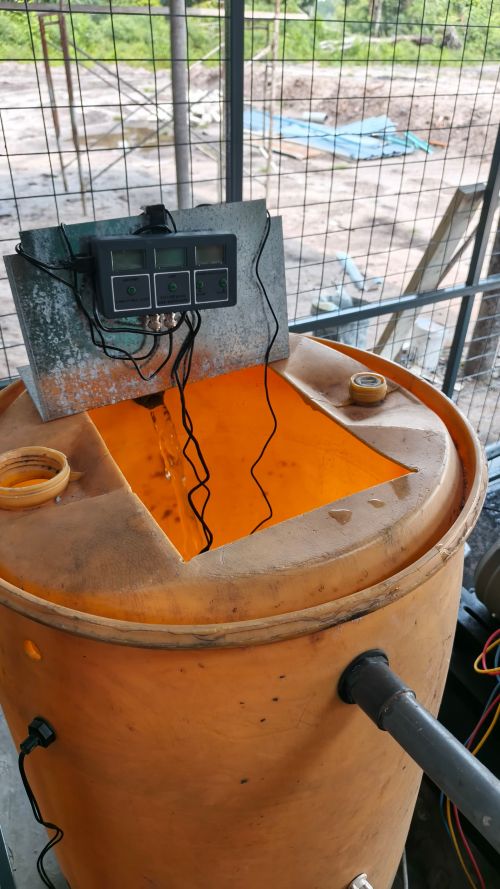
He further added that the uniqueness of this system lies in the integration of IoT technology, which enables farmers to monitor critical parameters such as dissolved oxygen, temperature, and water pH in real time.
“Farmers are not only able to monitor pond conditions, but can also control the operation of the aeration system either automatically or manually from a distance using a smartphone.
“This provides convenience and reduces dependence on manual monitoring,” he explained.
He said that the project, which began in May 2025, resulted from engagement sessions with the communities in Kampung Hijrah and Kampung Tebing Tinggi, Pekan, which were facing various challenges, including unstable water quality, high livestock mortality rates, and increasing operating costs.
“In response to these needs, a strategic collaboration was established between the university and the community to develop a practical, cost-effective, and user-friendly technological solution.
“The system development phase began in mid-2025, with the main installation carried out in August 2025, before becoming fully operational in November 2025.
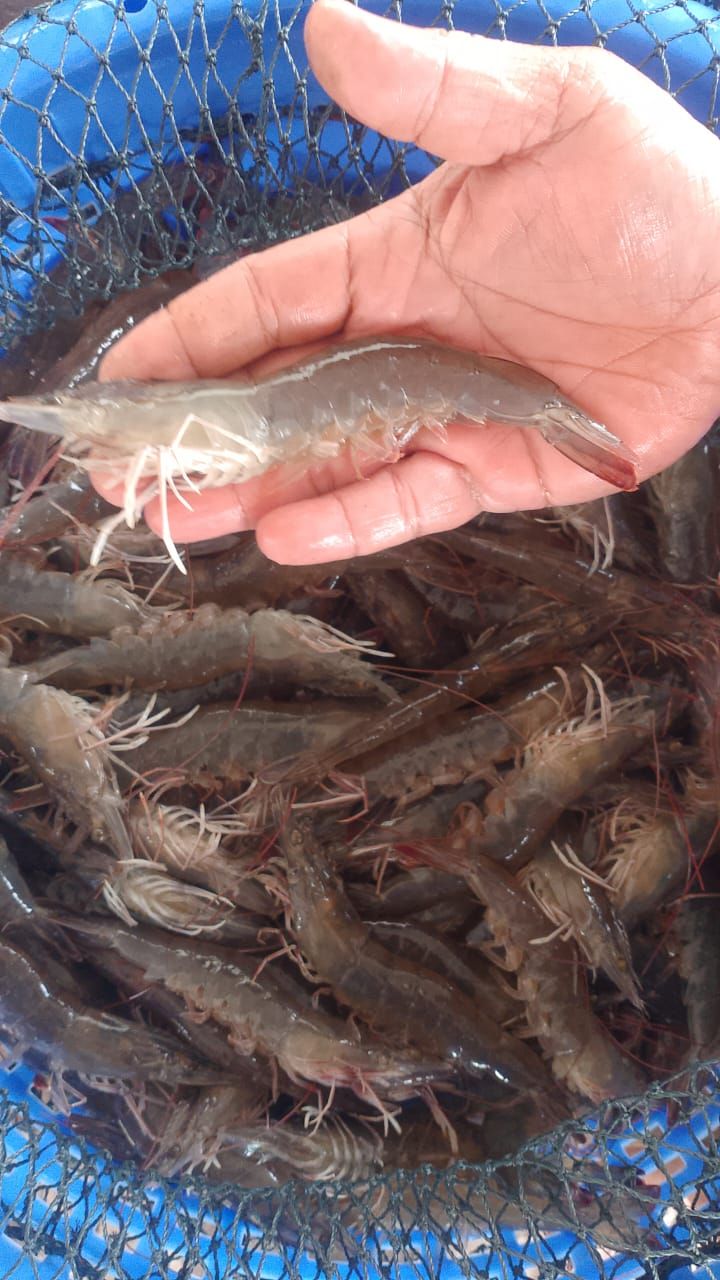
“The system has shown encouraging impact when the first harvest in February 2026 was successfully fully marketed,” he said.
He added that, more impressively, the shrimp growth period was successfully accelerated when the shrimp reached XL size within 82 days, compared with the usual period of more than 90 days.
“At the same time, the risk of mortality was significantly reduced as a result of continuous monitoring and more systematic system control.
“In addition, the use of the 1 Duty 1 Standby concept in the operation of the aeration machinery allows the system to function alternately, thereby extending the lifespan of the equipment and reducing maintenance costs,” he said.
This project was implemented together with fellow researcher Ts. Muhamad Rozikin Kamaluddin (FTKMA), with active involvement from the Village Development and Security Committee (JPKK) of Kampung Hijrah and Kampung Tebing Tinggi as the main users of the technology.
It also received support from various parties, including the Ministry of Finance Malaysia through the UniMadani Scheme 2025, the UMPSA Social Innovation and Knowledge Transfer Grant, as well as collaboration with the Pahang State Development Office (SDO Pahang) and PUSPANITA Pahang.
In terms of cost, the development of this system is estimated at between RM15,000 and RM30,000, depending on the scale of the pond.
However, the investment is seen as worthwhile as it is able to increase farming yield, save energy usage, and reduce the risk of losses.
In future planning, Dr. Akhtar aims for this technology to be expanded into other aquaculture sectors, such as freshwater fish farming, in addition to being further enhanced through the use of more smart sensors and predictive data analytics.
“Our long-term goal is to develop a fully smart aquaculture system that not only improves productivity, but also helps rural communities achieve more sustainable income and improve their quality of life,” he said.
The success of this project further proves UMPSA’s commitment to leading high-impact innovation that not only meets industry needs but also empowers communities through knowledge transfer, green technology, and sustainable approaches in line with national development aspirations.
By: Naqiah Puaad, Centre for Corporate Communications
Translation by: Ts. Dr. Rozaimi Abu Samah, UMPSA Press
- 78 views
 Reports by: