
UMPSA researchers successfully identify Bunga Pekan species
PEKAN, 8 July 2026 – Universiti Malaysia Pahang Al-Sultan Abdullah (UMPSA), through the Bioaromatic Research Centre, has successfully identified the Bunga Pekan species that inspired the name of the Royal Town of Pekan, as part of efforts to strengthen its role in preserving the nation’s heritage.
According to stories passed down by earlier generations, the town of Pekan derived its name from a type of flower known as Bunga Pekan, which once grew abundantly along the banks of the Pahang River.
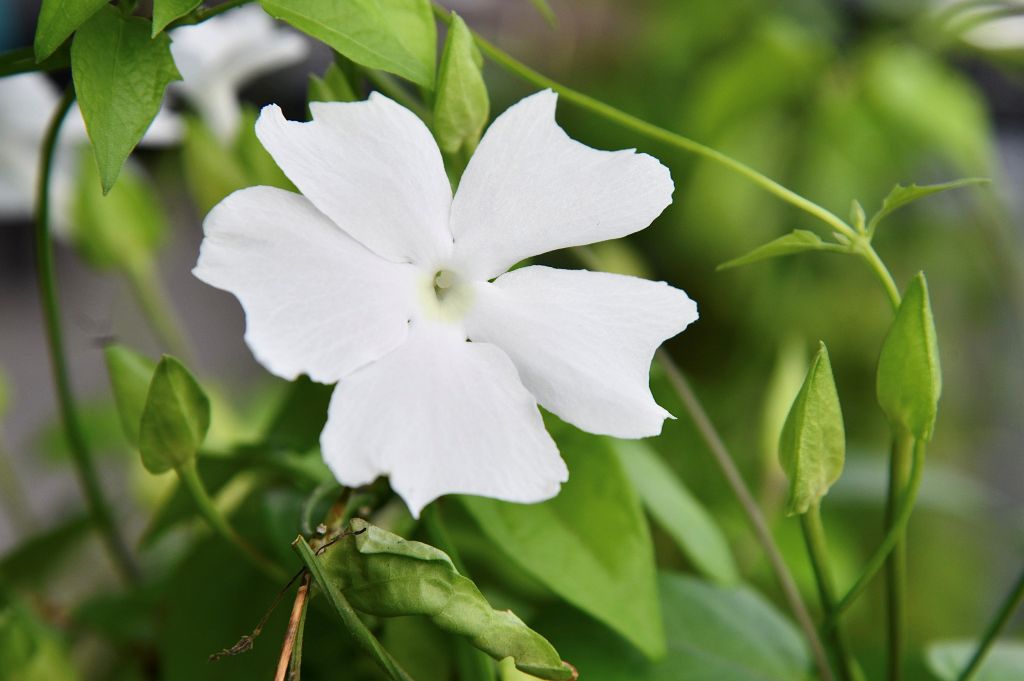
Although its white flowers, resembling jasmine, once formed part of the town’s natural landscape, the species has become increasingly difficult to find and is now nearly extinct.
Recognising the importance of preserving this heritage, a research team from the UMPSA Bioaromatic Research Centre, led by ChM. Dr. Aini Norhidayah Mohamed, a lecturer at the Faculty of Industrial Sciences and Technology (FSTI), has been conducting research over the past year to identify the actual species of the flower.
According to ChM. Dr. Aini Norhidayah, the species identified is Thunbergia fragrans, a climbing plant with pure white flowers comprising five neatly arranged petals and commonly found growing along fences, roadsides, and riverbanks.
“Although it may appear to be an ordinary flower, Bunga Pekan has significant historical and symbolic value as it is believed to be closely associated with the origin of the name of the town of Pekan.
“Conserving this species is not only important from a biodiversity perspective but also helps preserve the identity and cultural heritage of the local community,” she said when presenting the findings of the Bunga Pekan Project in conjunction with a visit by the Pekan Royal Town Municipal Council today.
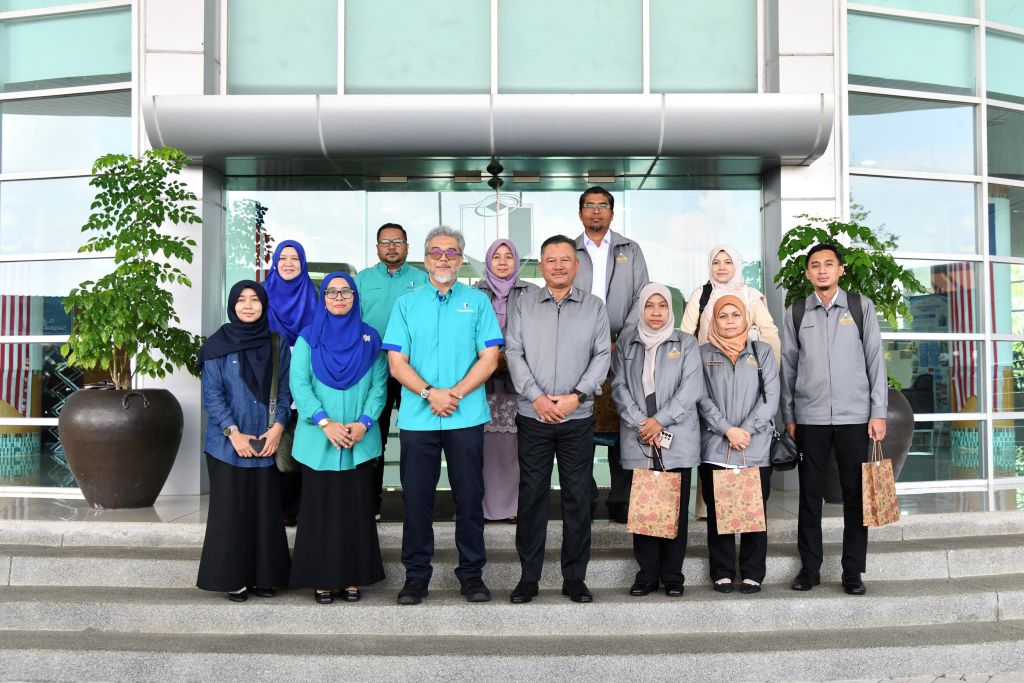
Meanwhile, President of the Pekan Royal Town Municipal Council (MPPBDR), Tuan Mohamad Nasir Jusoh, who visited UMPSA today, had the opportunity to attend a presentation on the research findings by the UMPSA research team.
He described the effort as an important initiative in documenting and conserving the natural heritage that forms part of Pekan’s identity.
The MPPBDR delegation was welcomed by the Senior Director of the UMPSA Research Excellence Management Centre, Professor Ts. Dr. Abdul Adam Abdullah, and the Director of the Bioaromatic Research Centre, Associate Professor Ir. Ts. Dr. Roshahliza M. Ramli.
According to Professor Ts. Dr. Abdul Adam, various efforts are being undertaken to strengthen research, documentation, and replanting of the Bunga Pekan species.
“This effort can help resolve confusion among the public regarding the Bunga Pekan species.
“Previously, the botanical identity of this plant remained unclear, resulting in errors in species identification and a shortage of specimens, which hampered efforts to conserve and reintroduce the plant.
“Therefore, strategic collaboration between UMPSA and MPPBDR will ensure that this species continues to be conserved and reintroduced to the community as part of the nation’s heritage,” he said.
He added that the research involved searching for the original habitat of Bunga Pekan around the Pekan district, species verification using DNA barcoding, planting trials, propagation, and nurturing of seedlings, successfully producing more than 100 polybags of Bunga Pekan plants that have now reached maturity.
The discovery also sheds light on the historical and cultural significance of Bunga Pekan, which is believed to be closely associated with the origin of the name of the town of Pekan, while also serving as a symbol of local identity and the heritage of the state of Pahang.
During the discussion session, both parties also considered proposals for Phase 2 of the project, involving the submission of specimens to the Malaysian Biodiversity Information System (MyBIS), the declaration of Bunga Pekan as the Official Flower of the Royal Town of Pekan, and efforts to have it gazetted as a Heritage Object under the National Heritage Act 2005 (Act 645).
The meeting also discussed UMPSA’s expertise in producing innovative probiotic and prebiotic fertiliser products, drone technology in agriculture, automated irrigation systems, and other areas.
Also present as part of the MPPBDR delegation were its Secretary, TPr Hajah Zuraidah Abdul Majid; Accountant, Nor Fazliana Abu Bakar; Town and Country Planning Officer, Amaluddin Abdullah; Head of the Landscape Division, Ahmad Azizul Rahim Ahmad Abdul Aziz; and Head of the Public and Community Relations Department, Norsila Kadir.Also participating were Fellow of the Bioaromatic Centre and lecturer at the Faculty of Chemical and Process Engineering Technology (FTKKP), Dr. Siti Hajar Noor Shaarani; Research Fellow of the Bioaromatic Centre and lecturer at the Faculty of Industrial Sciences and Technology (FSTI), Dr. Nor Hasmaliana Abdul Manas; Assistant Engineer at the Centre for Property Development and Management (PPPH), Aluwi Mohd. Sikah; and Research Officer at the Bioaromatic Centre, Hanafi Anuwar.
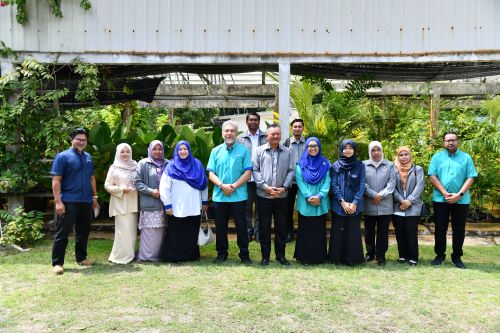
The collaboration between UMPSA and MPPBDR is expected to serve as a catalyst for the conservation of the nation’s biodiversity heritage, while elevating Bunga Pekan as a symbol of the history, identity, and pride of the Royal Town of Pekan to be inherited by future generations.
By: Siti Nur Azwin Zulkapri, Centre for Corporate Communications
Translation by: Ts. Dr. Rozaimi Abu Samah, UMPSA Press
- 9 views
 Reports by: