
UMPSA Brings AI, Technology, and Play into Language Learning
The Centre for Modern Languages (CML) at Universiti Malaysia Pahang Al-Sultan Abdullah (UMPSA) is using artificial intelligence (AI), interactive technology, and new learning approaches to change how students learn languages, both in and out of the classroom.
These efforts, which range from AI chatbots to board games, support CML’s move towards becoming a faculty. They also support the development of VOICES, a language hub where technology, creativity, and human interaction come together.
AI Chatbots Built for Specific Courses
Instead of relying only on general AI tools, CML instructors are building chatbots designed for their own courses. This gives students more focused support and frees instructors to spend more time on discussion and individual guidance.
For English for Technical Communication, instructor Abdul Jalil Abdul Rahim created RAWI, a chatbot that helps students learn grammar. Students can use it in class to explore grammar points, check their understanding, and get explanations.
For English for Professional Communication (EPC), Wan Noor Farah Wan Shamsuddin developed EPC Coach. This GPT-powered chatbot gives students quick access to lecture notes, assessment details, class venues, and group arrangements. It is especially helpful for shy students and for questions that come up outside consultation hours.
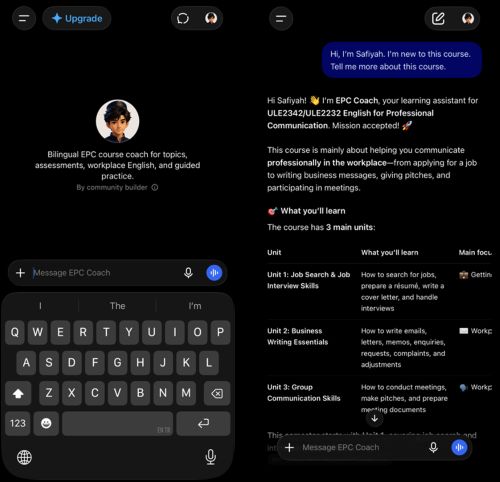
Figure 1: Screenshots above illustrate the conversation between EPC Coach and the student
AI Platforms That Teach Thinking, Not Copying
Dr Wan Jumani Fauzi has developed two learning platforms that guide students through the learning process rather than doing the work for them.
The first, IELTS Writing Hub, supports the Score IELTS course. Many IELTS apps focus on model answers and memorised templates. This platform instead helps learners understand how good writing works. Students analyse tasks, notice language patterns, organise ideas, and build their own responses, with AI feedback along the way. It supports individual, pair, and group work. A planned Socratic AI Writing Coach will guide students with questions instead of giving answers.
The second, Recommendation Report Buddy, will be introduced this semester for engineering students in English for Technical Communication. Students act as technical consultants who investigate a company’s problem, compare possible solutions, and recommend the best one in a report and presentation. The AI acts as a coach, while students do the research, make decisions, and justify their choices. This reflects CML’s belief that AI should support learning, not replace students’ thinking.
AI Tools for Foreign Language Teaching
Tools such as Gemini, Claude, ChatGPT, and NotebookLM are helping instructors prepare notes, presentations, and activities. AI speech generation can also imitate native speakers, giving students extra listening practice. Mandarin instructors Lee Cheng May and Kang Mei Feng said these tools save preparation time and make it easier to adjust materials to students’ levels, leaving more time for teaching.
Kahoot!: Fun and Instant Feedback
Kahoot! remains popular across CML courses. Its game-style quizzes and leaderboards encourage participation, especially in online classes early in the semester. Instructors can also see student answers immediately, spot misunderstandings, and adjust their teaching.
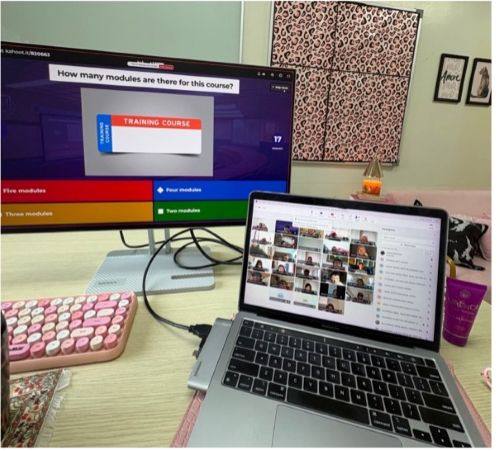
Figure 2: Kahoot! Is helpful for online engagement with the students
Learning Through Virtual Reality
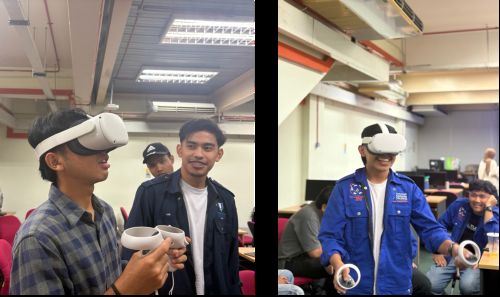
CML is also exploring augmented reality (AR) and virtual reality (VR). These technologies place students in realistic situations such as job interviews, meetings, and travel. In one EPC class, students who used VR for speaking practice reported feeling less anxious, and their fluency and accuracy improved. The real value, however, lies in giving students meaningful chances to use language, not in the technology itself.
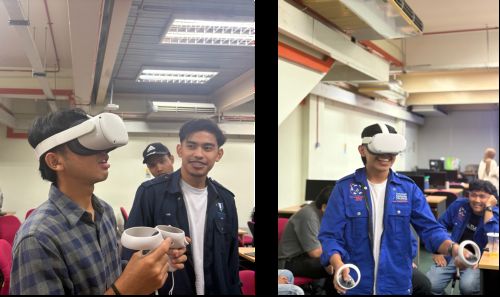
Figure 3: Pictures above show students utilising VR technology in English classroom
VOICES: A Language Hub Beyond the Classroom
CML recognises that language skills also grow through reading, conversation, and social interaction. This is the idea behind VOICES.
It began with BACAHUB, a reading corner based on “Pick One, Gift One.” Students can read on-site or swap a book. The collection includes books in Malay, English, Mandarin, and Korean, plus donations from the university library and nine language modules from UMPSA Publisher covering Mandarin, German, Arabic, Spanish, and Japanese. CML also plans to add books in Malaysia’s ethnic and heritage languages.
A mural painted by 17 UMPSA students shows birds returning to their nest, a symbol of different minds, cultures, and languages coming together. Nearby language boards invite students to share words and ideas, including a Word of the Day.
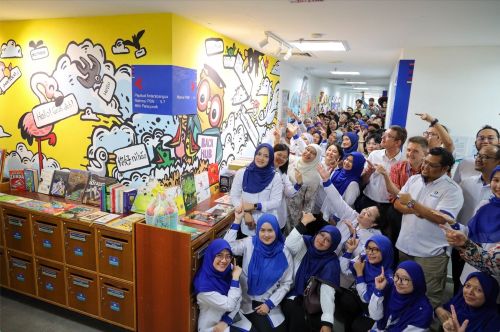
Figure 4: CML proudly showing BACAHUB mural painting
VOICES now also has a tabletop gaming space with games such as Risk, The Game of Life and Upwords. While playing, students explain rules, discuss strategies, and negotiate, which gives them natural, relaxed opportunities to practise language.
Looking Ahead
CML Dean, Associate Professor Dr Zuraina Ali, believes VOICES will open up more opportunities for students.
“I am confident that with the establishment of our language hub, VOICES, UMPSA students will gain greater access, more opportunities, and richer resources to engage with the latest technology in their language learning,” she said.
Together, these initiatives aim to produce students who are skilled with technology and are also confident communicators, critical thinkers, and culturally aware individuals. CML’s guiding principle is simple: technology can improve learning, but real communication and human connection remain at its heart.

Dr. Wan Jumani Fauzi
E-Mail: [email protected]
Senior Lecturer
Centre for Modern Languages (CML)
Universiti Malaysia Pahang Al-Sultan Abdullah (UMPSA)

By: Wan Noor Farah Wan Shamsuddin
E-mail: [email protected]
Language Teacher
Centre for Modern Languages (CML)
Universiti Malaysia Pahang Al-Sultan Abdullah (UMPSA).
- 26 views
 Reports by: